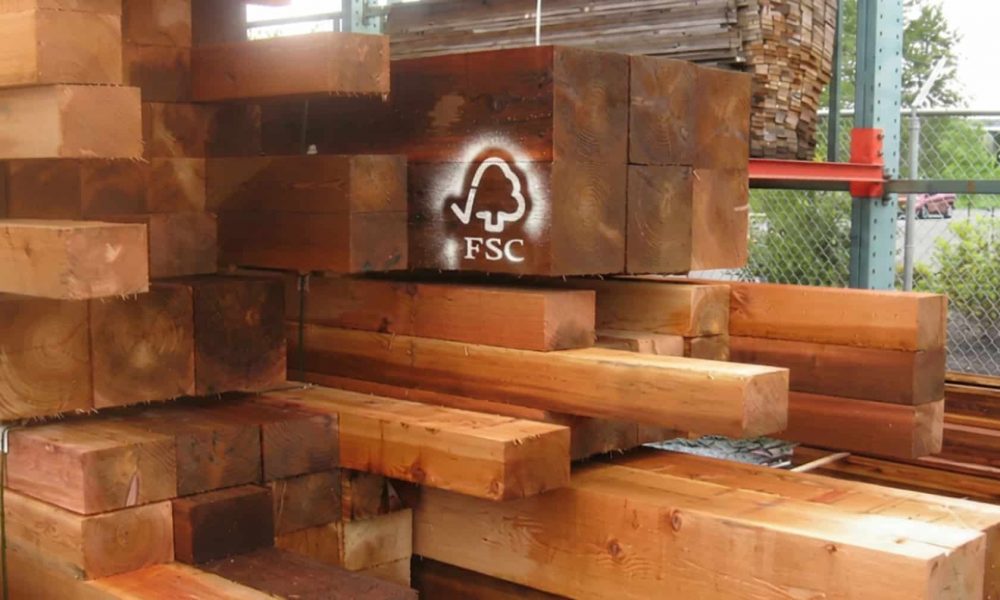
Years ago, when a client asked where a wood product came from, “from our supplier” was usually enough. In the last five or more years, that answer doesn’t cut it. Architects are writing FSC®-certified products into specs. Homeowners are reading certifications before they read warranties. Green-build submissions need paperwork, not promises.
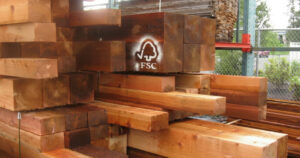
Here’s the good news for builders working with us: Issaquah Lumber holds an FSC® Group Chain of Custody Registration (FSC® C041262). That means when you specify wood through us, the certification doesn’t end with us — it travels with the spec, the invoice, and all the way to your project documentation.
This blog walks through what that actually means, why “FSC-certified” alone isn’t the whole story, and the five questions every contractor should be asking a lumber supplier right now.
"Sustainable certification matters, but the chain of custody matters more."
What FSC Actually Means — and Why “FSC-Certified” Alone Isn’t Enough
The Forest Stewardship Council sets the world’s most rigorous standards for sustainable forest management. The FSC label is recognized by 46% of consumers worldwide, and it’s the certification most often required by green building rating systems such as LEED, BREEAM, and the Living Building Challenge.
But here’s what you may not realize: FSC has two parts.
The first is Forest Management certification — that’s the forest itself, audited against FSC’s environmental, social, and economic standards. Where manufacturers source their wood products.
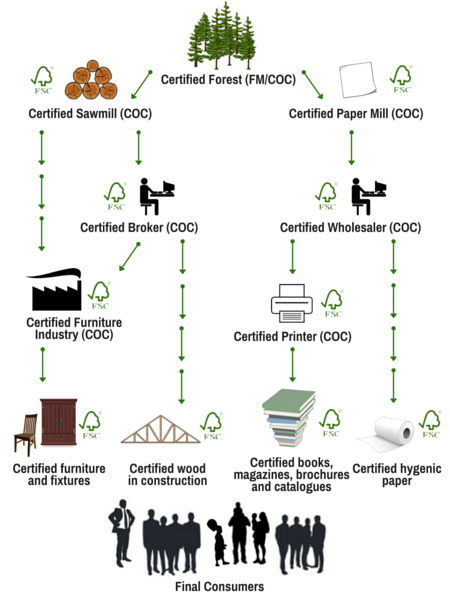
The second is Chain of Custody certification — that’s everyone who touches the wood after it leaves the forest. Sawmills. Distributors. Brokers. Lumberyards. Custom mills.
If a single link in that chain isn’t FSC Chain of Custody-certified, the claim breaks down. The wood may still be from a responsibly managed forest. But you can’t say so on the invoice. And without an invoice claim, your client’s LEED or BREEAM submission won’t receive credit.
Chain of Custody — Tracking Wood from Stump to Stud
FSC’s own definition: Chain of Custody is the process that verifies FSC-certified material has been identified and separated from non-certified material at every step in the supply chain, from forest to market.
Practically, that means every certified company in the chain has procedures to keep certified product physically separated, properly documented, and traceable end-to-end. It’s audited. It’s renewed annually. And it’s the only thing that makes a sustainability claim actually verifiable.
What Issaquah Lumber’s FSC Chain of Custody Means for Your Project
We want to be clear about what our certification actually delivers, because the difference matters: we don’t just resell FSC-certified wood. We’re certified ourselves — FSC® C041262 — which means we can carry the claim forward to your project.
- We can put FSC claims on the invoice to support project documentation and green-build credit applications.
- We source modified wood from FSC-certified producers, including Accoya and Moso — extending the chain into specialty categories most yards can’t cover. Our Modified Wood blog digs into how those products earn their performance credentials.
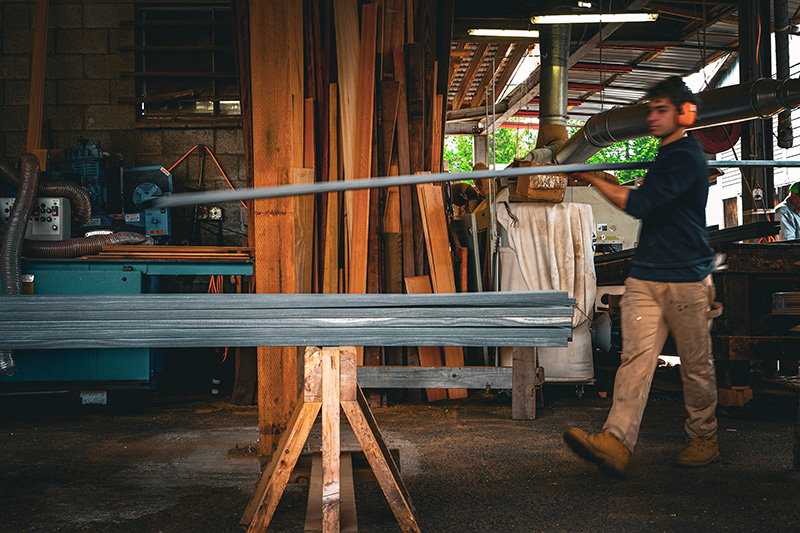
- Custom milling happens in-house, so the chain doesn’t get handed off to a third-party mill that may or may not be certified.
Why Builders Should Care — Right Now
Project specifications. LEED, BREEAM, and Living Building Challenge credits all require FSC-certified wood and supporting documentation. Today, most public and commercial work specifies FSC by default.
Client demand. Homeowners are asking more sustainability questions, and the architects you work with are filtering vendors based on what they can document. “Verified” is replacing “claimed,” especially with younger buyers and design-forward clients.
Innovation pipeline. Responsibly managed forests are what make modified wood, fast-growing products, and engineered specialty species commercially viable. Without a certified supply, the innovation pipeline runs dry. For the design rationale that pairs naturally with this story, our Sustainable Sophistication blog on biophilic design is a good companion read.
"Sustainability used to be a marketing line. Today, it's a spec sheet question."
The 5 Questions Every Contractor Should Ask a Lumber Supplier
- Are you FSC Chain of Custody certified — and can you show me your certificate number?
- Can you put FSC claims on the invoice for project documentation?
- What’s the species, region, and mill on this specific product?
- Do you offer FSC-certified options across the categories I specified — decking, siding, framing, and millwork?
- How do you handle traceability when a client or an architect requests it for a green build submission?
Our short answer to all five: yes, yes, yes, yes. We’ll walk you through it.
Supply Chain Transparency as a Business Advantage
Risk management. Tariffs, scrutiny of tropical hardwood (CITE lists), and ESG reporting are all flowing downstream from large general contractors and public projects. Certified supply offers you protection.
Client trust. Documented provenance beats marketing claims, every time. The contractor who can answer “where did this come from?” with paperwork often wins the bid.
Innovation access. Certified supply chains provide access to modified wood, custom milling, and certified specialty species that set your work apart. These products simply don’t exist outside of well-managed forests. For how those certified products appear across different projects, see our companion blog on outdoor living wood products.

Build with Confidence — and the Documentation to Back It Up
Stop by the yard. Ask to see our FSC certification. Ask what’s certified and in stock right now. We’ll walk you through it— and send the paperwork with the load.