Outdoor living projects remain a hot category, as industry data show, and 2026 isn’t slowing down. According to LBM Journal, repair, remodel, and outdoor living spending are now the primary engine of decking market growth, with a NADRA survey reporting that 44% of small crews build 51 or more decks per year. Translation: the work is there. The question is: who do clients trust to deliver it?
The bar keeps raising. Homeowners want decks, pergolas, and siding with as low a maintenance as possible — through wet winters and dry summers. That’s not a finishing question. That’s a material question.
"Performance and beauty aren't a trade-off anymore. They're both on the spec sheet."
What “Performance” Actually Means
Before we get into products, let’s define what we’re solving for. In our climate here in the PNW, outdoor performance comes down to five things:
- Moisture resistance and dimensional stability through wet-dry cycles
- UV and weathering behavior over time
- Insect, rot, and decay resistance
- Service life relative to maintenance cycle
- Aesthetics that age gracefully — patina or maintained finish
Match those five against the application, and you’ve got your spec. The rest is execution.
Decks — Where Outdoor Living Thrives
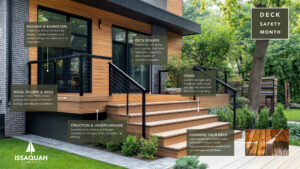
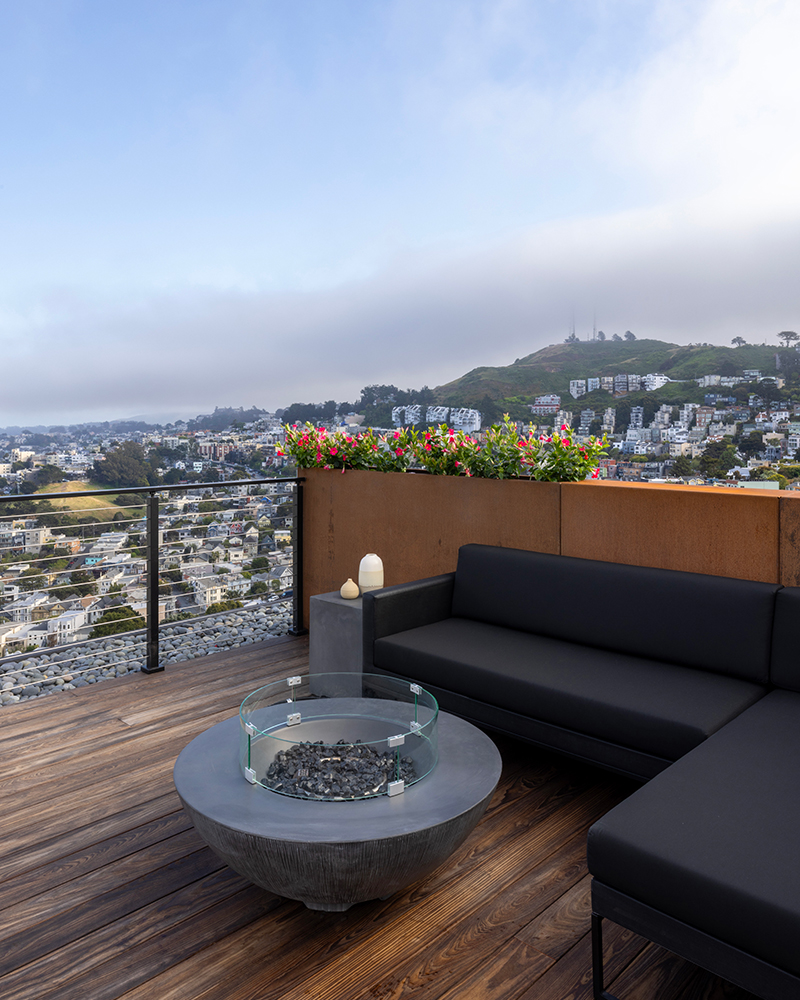
For decks, the two best-performing categories we stock are clear-grade Western Red Cedar and modified wood.
Pergolas + Pavilions — Structure with Style
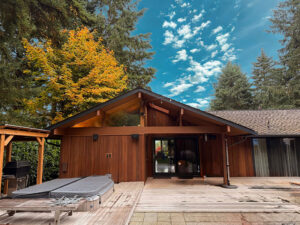
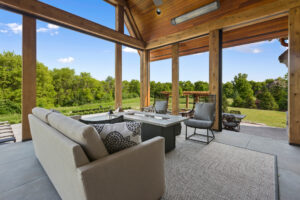
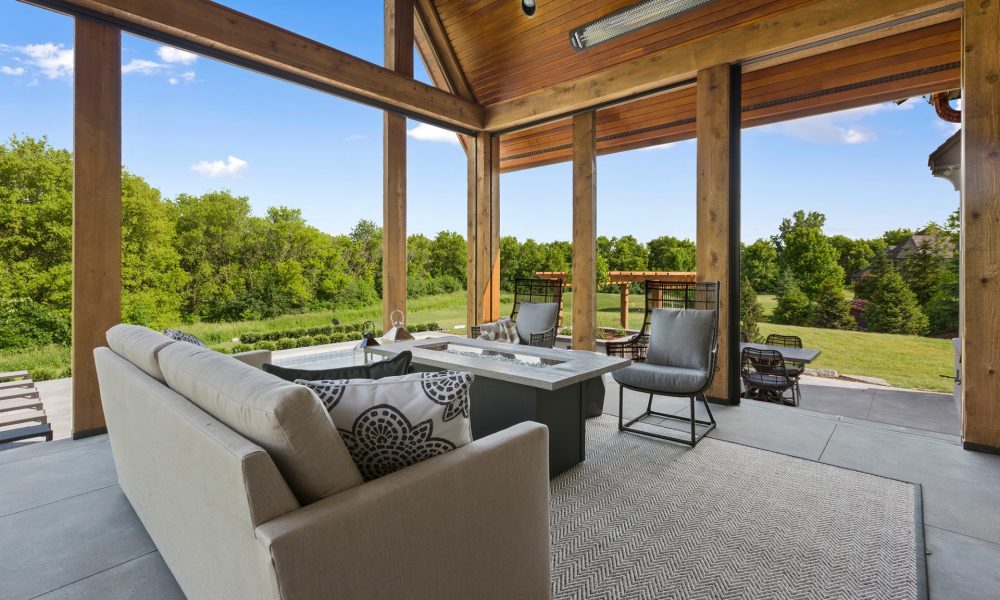
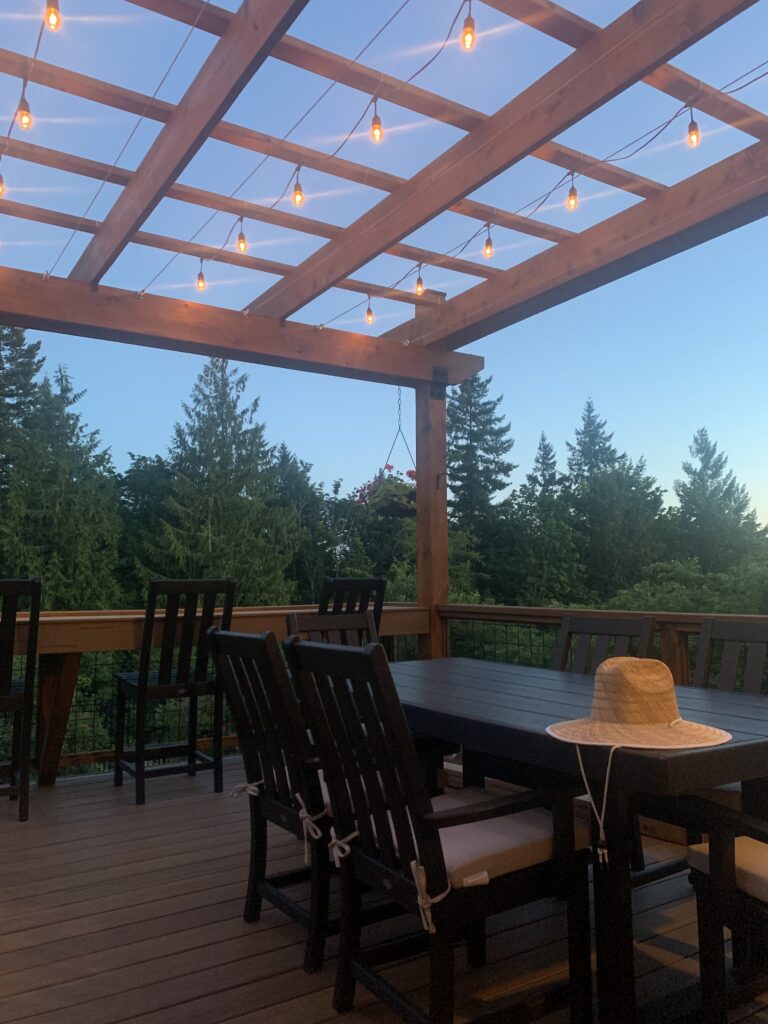
Pergolas extend beyond warm-weather seasons. Architectural timbers made from Douglas fir and cedar convey the look most homeowners want; for a finished look, consider modified-wood cladding.
The 2026 trend worth considering for your customers includes integrated lighting, fans, retractable louvers, and built-in heaters. Bundling these items into a well-packaged deck bid turns it into an outdoor living package that lasts long beyond summer.
Siding — Where Curb Appeal Lives
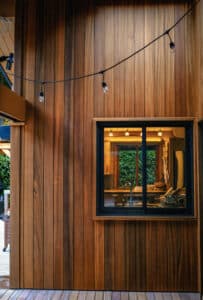
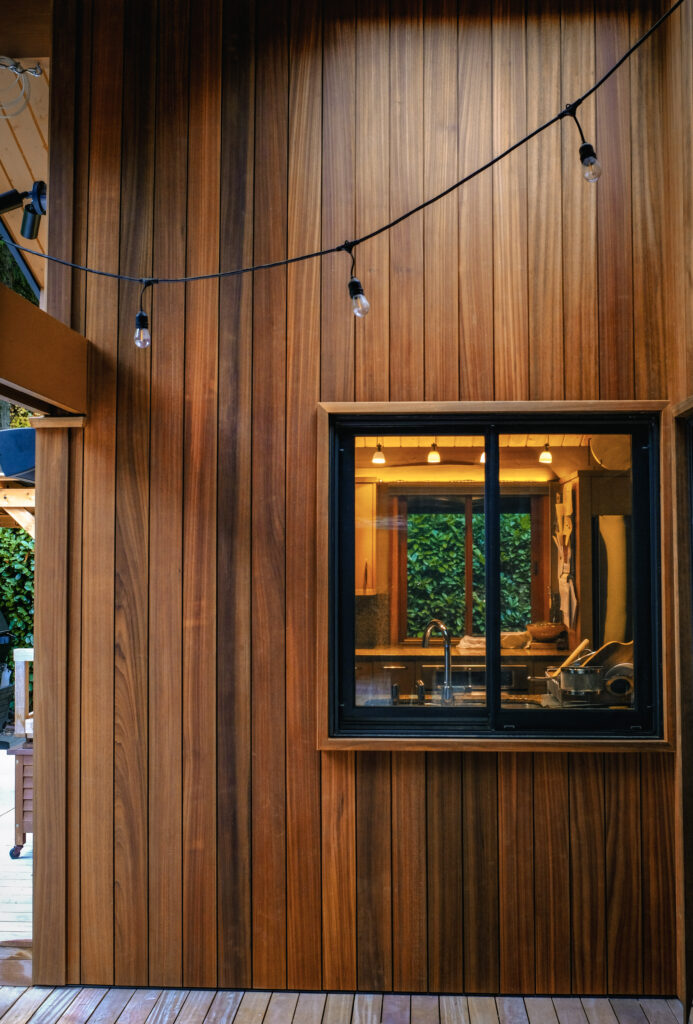
Wood siding offers warmth and drives curb appeal. Clear cedar and modified wood siding (Accoya, Arbor Wood, LDCwood) deliver natural warmth, and some modified products carry warranties of up to 50 years.
This is where the GRAD System really shines. We supply the Cascade Collection from Amble Wood Co., which offers custom-milled siding profiles that fit the GRAD System, making your job fast, easy, and virtually callback-free.
Pre-finished options are available, resulting in cleaner installs, faster handoffs, and fewer touch-ups down the line. Help your client decide early whether they want to maintain a finish or let the wood patina — that one conversation prevents a lot of confused expectations a year later.
For the design-story angle that clients respond to, our Sustainable Sophistication blog on biophilic design is a good one to share when they’re deciding on materials that matter.
Fencing, Outdoor Kitchens + Landscape Accents
Fencing: Cedar continues to dominate board-on-board and horizontal-slat builds, and horizontal wood fencing is trending big in 2026, as architects and building designers use it for zone definition and curb appeal. For a look that clearly marks the property line while keeping an open, natural flow and expansive views, split rail and post-and-pole are great options, too.
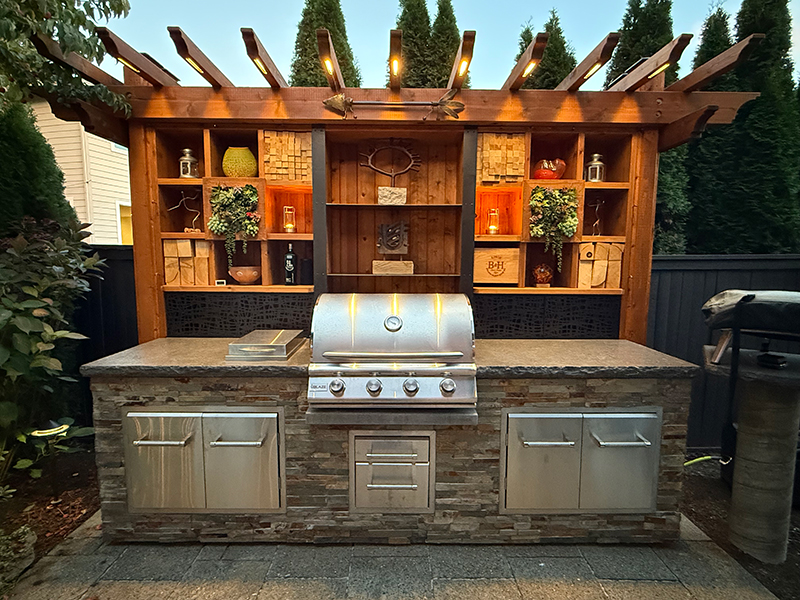
Outdoor kitchens and accents: Modified wood is ideal for built-ins, planters, and raised beds that are constantly exposed to moisture. Cedar is still a great option for accent walls and covered-patio ceiling soffits. When you’re bidding a deck, add planters, privacy walls, or accent ceilings to the design — same crew, same materials, bigger project.
"Stop letting clients pick from a sample chip. Hand them a wood sample. We have them in stock."
Spec’ing with Confidence — How Issaquah Lumber Helps
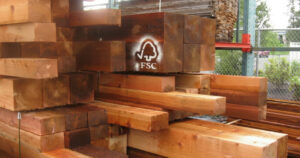
We’re not just a yard. We’re a custom mill with FSC® Chain of Custody certification (FSC® C041262), which means the wood you spec through us can carry verified documentation back to its source — important for green-build clients and increasingly for any client who asks.
Walk the yard, grab samples, and ask for a mockup pack. We stock the cedar and modified wood you need, we mill to spec, and we deliver — so your crew stays on the job, not waiting on materials. And once your client’s deck is built, our Fall Deck Cleaning guide is a useful homeowner handoff to keep it looking new.
Let’s Build the Season Together
Stop by the yard, grab a quote, or call our team for a project consult. The outdoor living season is short. Let’s make sure your bids reflect it.