A year ago, we took a deep dive into fire-treated wood: what it is, how it works, and what contractors, builders, and architects need to know when specifying it.
Since then, one thing has become clear: we’re having this conversation much more often.
As building requirements evolve in wildfire-prone areas, fire performance is becoming an earlier part of the material-selection process. We’re seeing increased interest from architects, builders, and homeowners seeking wood products that can help meet project requirements without sacrificing the natural material they want in the design.
For projects in Wildland-Urban Interface (WUI) and other fire-sensitive areas throughout the West, the question is increasingly shifting from “Can the wood be fire-treated?” to “What wood options are available for my project?”
That’s a much better question to ask — especially if you ask it early in the project.
Why Fire Performance Is Becoming a Bigger Part of the Conversation
The Wildland-Urban Interface is where homes and other development meet or intermingle with undeveloped wildland and vegetation. Wildfire risk has brought greater attention to the materials used on building exteriors in these areas.
WUI construction requirements matter throughout the West, but they vary by jurisdiction. In Washington, statewide WUI code adoption remains on hold pending updated wildfire mapping, while local jurisdictions may adopt the model WUI code. State law recognizes exterior fire-retardant-treated wood for certain walls and decks under the provisions tied to that mapping. Check with the local building official about the requirements in effect for your project.
California’s WUI construction requirements address materials used for siding, decking, eaves, and other exterior applications, with specific requirements for each use.
California also maintains listings of products reviewed for compliance with its WUI requirements, organized by applications including decking, exterior siding and sheathing, and under-eave materials.
For architects and builders, that means project location and applicable code requirements can significantly affect material selection.
Natural wood isn’t a deal breaker
When a project has a fire-performance requirement, people may assume natural wood must be replaced with a noncombustible material such as metal or concrete.
That’s not necessarily the case.
Fire-retardant treatments and tested wood products can provide additional options for projects where natural wood remains an important part of the architectural vision.
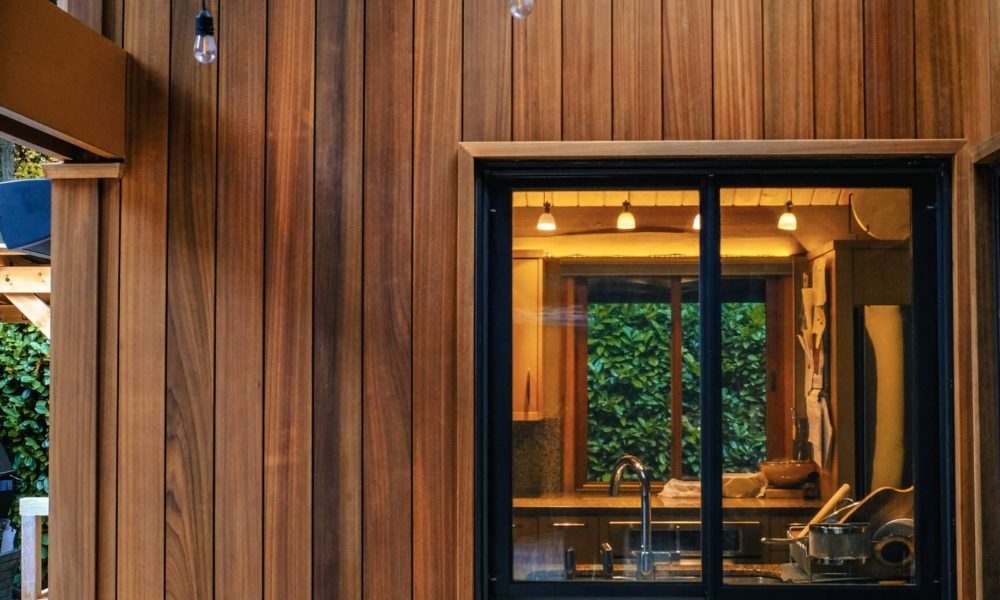
This is particularly relevant for exterior applications. Wood is still a top choice for siding, decking, soffits, and other architectural details because alternative materials are a challenge to replicate what it offers: warmth, grain, texture, and character.
The key is understanding which wood products are appropriate for the application.
Fire-retardant treatment availability varies by species, product, and application. Not every treatment is intended for exterior exposure. And a treatment or test result for one product or application shouldn’t automatically apply to another.
That’s why the conversation needs to start with the project requirements — not just the species.
Thermally Modified Wood Adds Another Option
One area where we’re seeing particular interest is thermally modified wood.
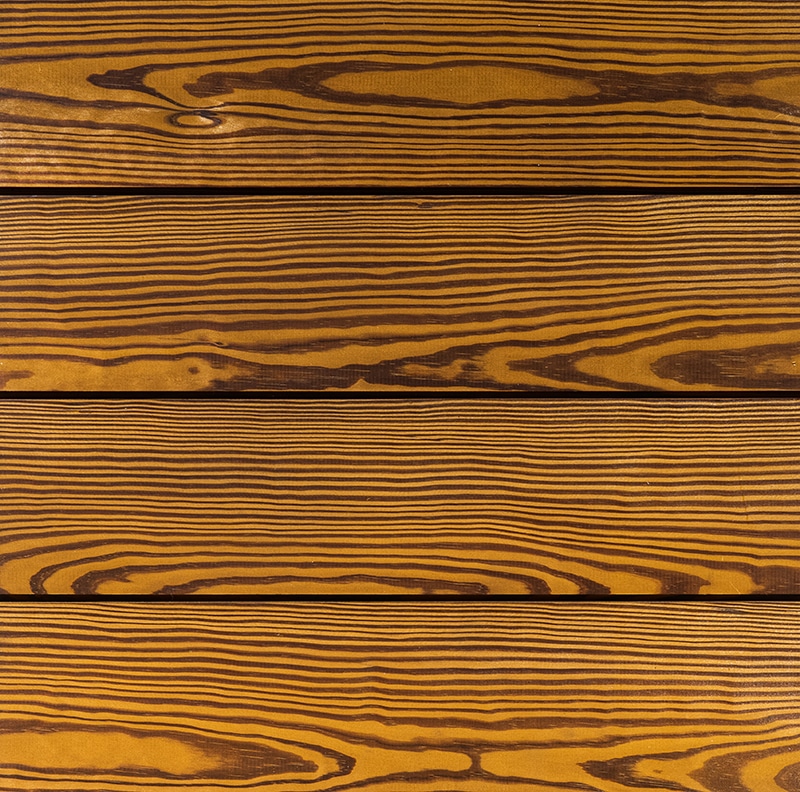
Thermally modified wood has already become a popular option for exterior siding and decking because the thermal modification process can improve dimensional stability and decay resistance while maintaining the appearance and character of natural wood.
Fire-retardant treatment options for thermally modified wood are worth exploring with the supplier, giving architects and builders another option for projects with specific fire-performance requirements.
The distinction matters: thermally modified does not mean fire-retardant.
Thermal modification changes the wood’s physical properties, but it does not automatically make the finished product compliant with a project’s fire requirements. A thermally modified product must have the appropriate testing and documentation, along with any required treatment, for the intended application.
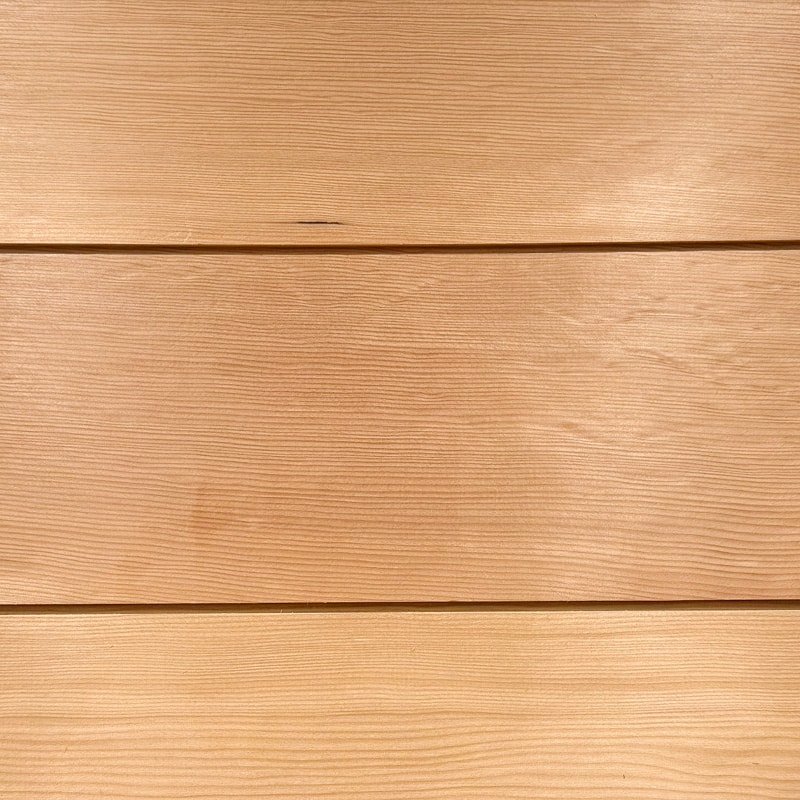
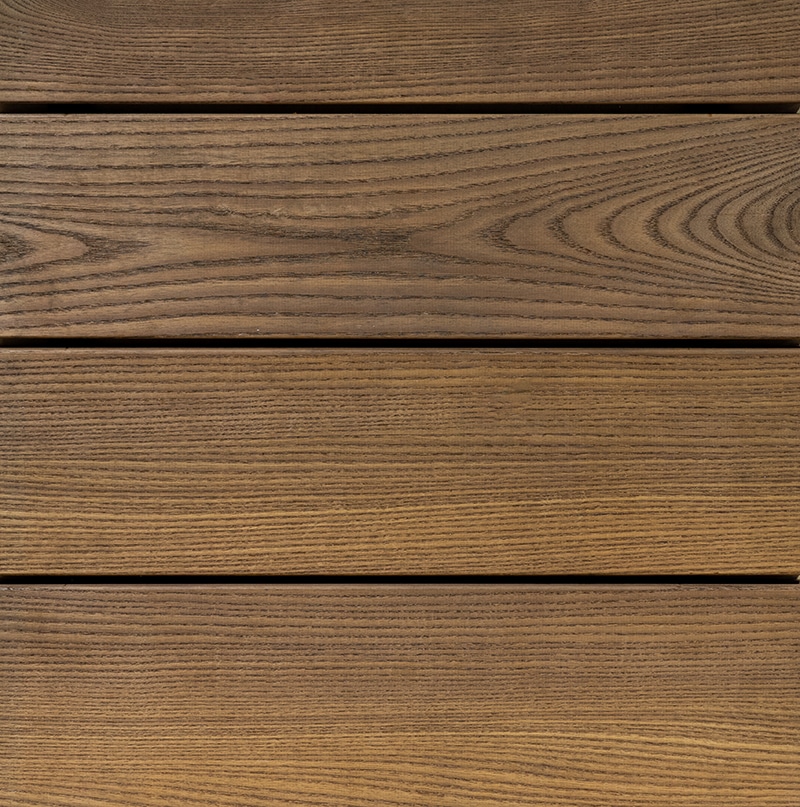
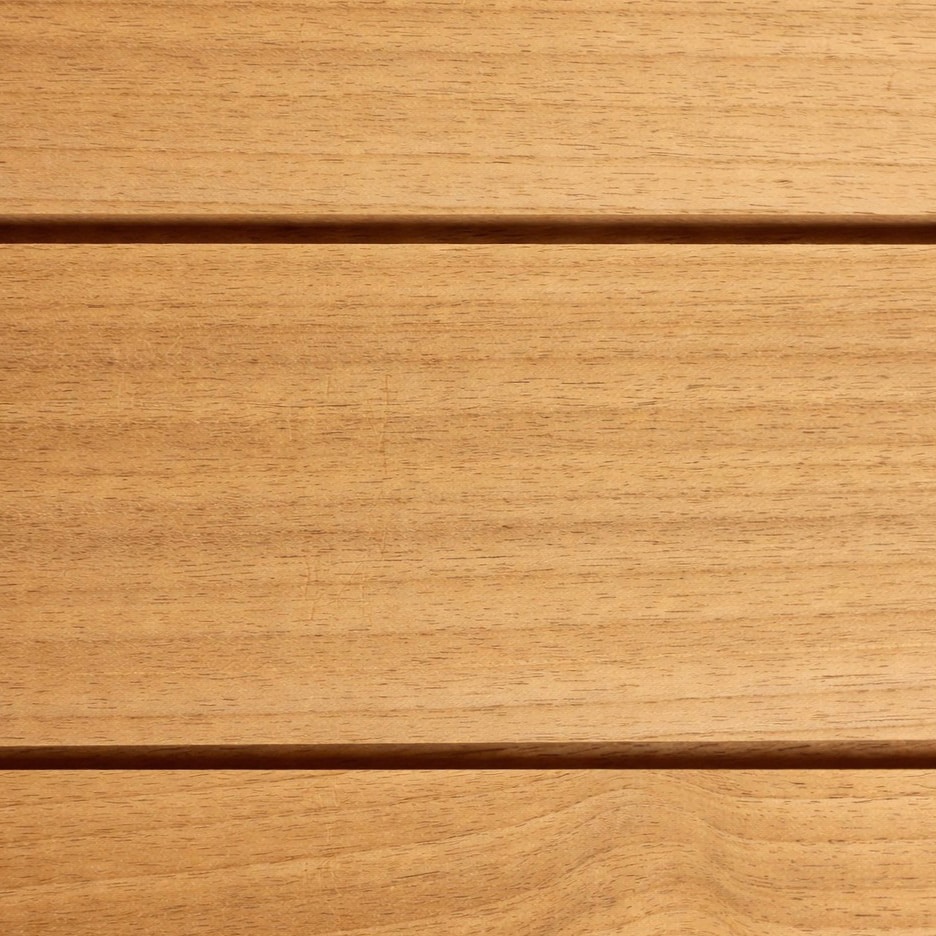
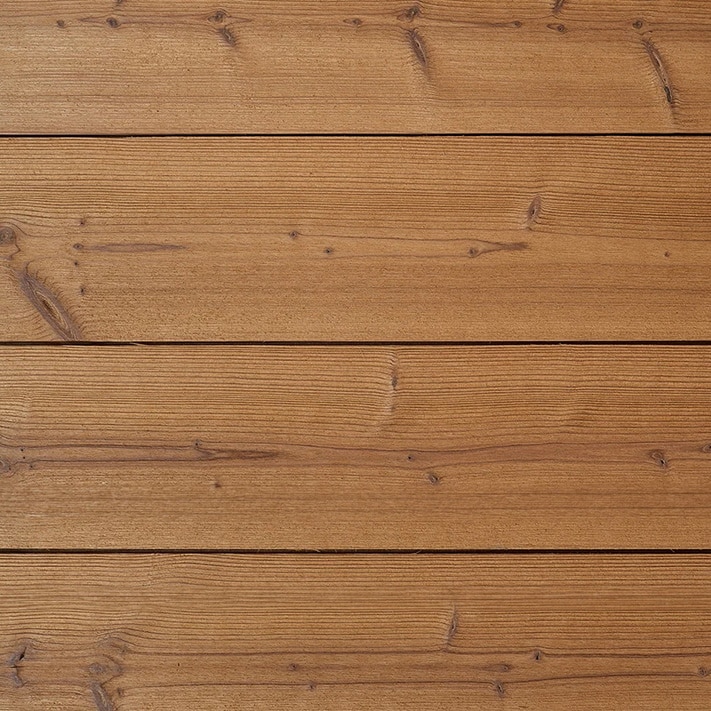
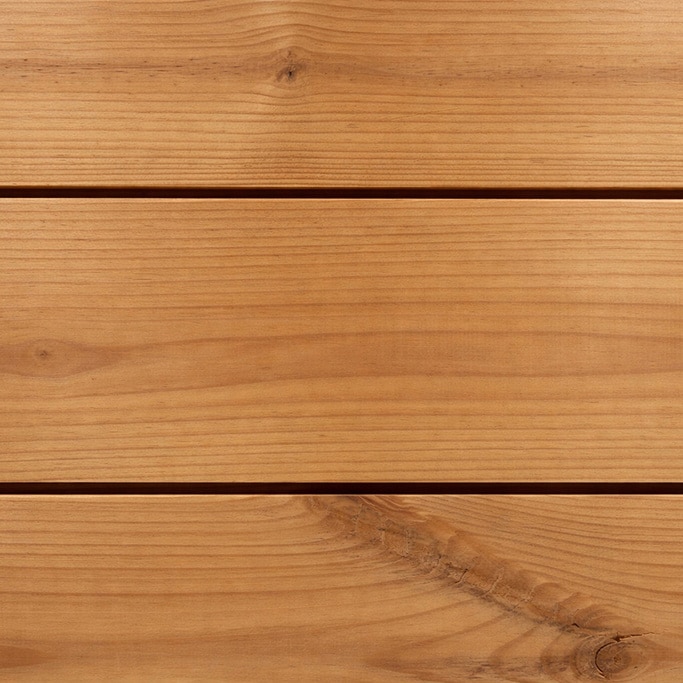
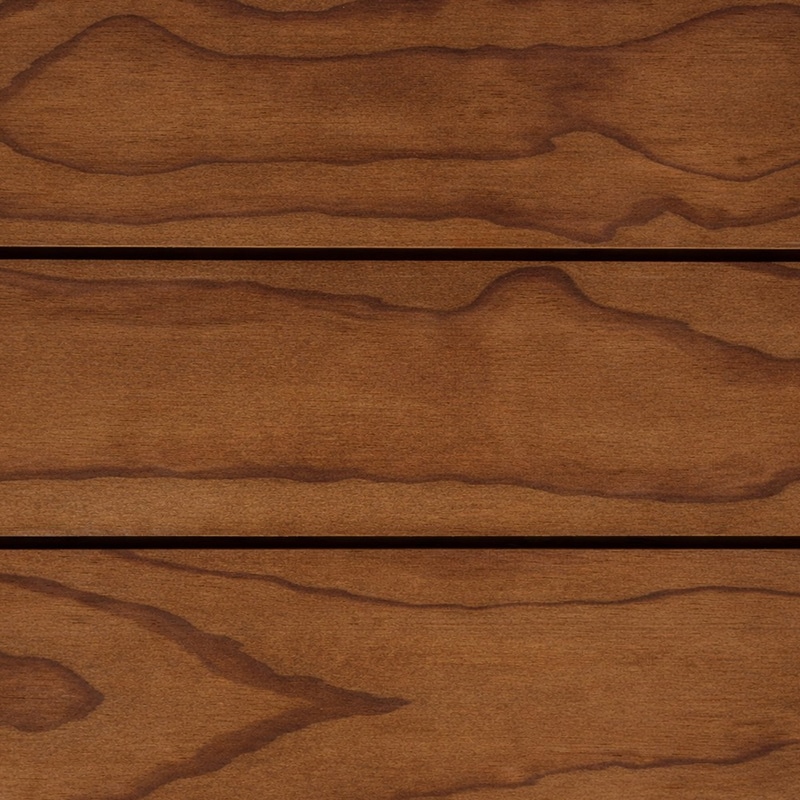
A number of wood products have been tested for use on cladding, including:
Start With the Requirement, Not the Treatment
When someone comes to us looking for fire-retardant wood, one of our first questions is:
What does the project actually require?
“Fire-rated,” “fire-retardant,” “ignition-resistant,” “Class A,” and “WUI compliant” are sometimes used interchangeably in conversation, but they don’t mean the same thing from a building-code or testing standpoint. For example, a Class A flame-spread classification under ASTM E84 or UL 723 does not, by itself, establish WUI compliance for an exterior application.
The project location, application, and local authority having jurisdiction (AHJ) ultimately determine what is required and what products are acceptable.
That’s why we recommend identifying the requirement first and then working backward to the material.
A few questions to answer early:
- Where is the project located, and what jurisdiction has authority?
- Is the material being used for siding, decking, soffits, or another application?
- What fire-performance requirement is identified in the plans or specifications?
- Is the specific wood species or product eligible for the required treatment?
- Is the treated product labeled for exterior use?
- What testing and documentation are available for the product?
- Will treatment affect the desired finish, color, or weathering characteristics?
Answering those questions before finalizing the material selection can save considerable time later in the project.
Don’t Choose the Wood and Ask About Fire Treatment Later
This may be the biggest takeaway from the conversations we’re having with customers.
On a conventional project, the selection process might start with appearance: choose the species, profile, texture, and finish, and then work through the technical details. A better process starts with project location and code requirements, then application, wood product, fire treatment, milling, and then finishing.
Why?
Because selecting a beautiful siding product only to discover later that the required treatment is unavailable for that product — or that the required testing doesn’t cover the intended application — can mean going back to the drawing board.
Bringing the lumber supplier into the conversation earlier can help narrow the options before those decisions are locked in.
What to Bring Us
If you’re working on a project in a WUI or other fire-sensitive area, you don’t need to have all the answers before contacting us.
The more we know about the project, the better we can help identify options.
Bring us the project location and jurisdiction, intended application, desired appearance or species, profile, finish requirements, and, most importantly, any fire-performance requirements identified by the architect, building official, or project specifications.
From there, our team can help identify available wood products and treatment options and provide product documentation for the design and construction teams to review.
Fire Requirements Don’t Have to Eliminate Real Wood
As fire performance becomes a bigger consideration in material selection, the question isn’t simply whether wood can be used.
It’s which wood, with which treatment, for which application.
Architects, builders, and homeowners now have more options for natural wood that meet their projects’ fire-performance requirements. But finding the right solution requires understanding both the wood and the requirements before specifying the material.
Working on a project in a WUI or fire-sensitive area? Talk with the Issaquah Lumber team early in the specification process. We can help you explore available wood products, fire-retardant treatment options, and the documentation you’ll need to determine the right material for your project.